
One of the Most Important Stages of Construction
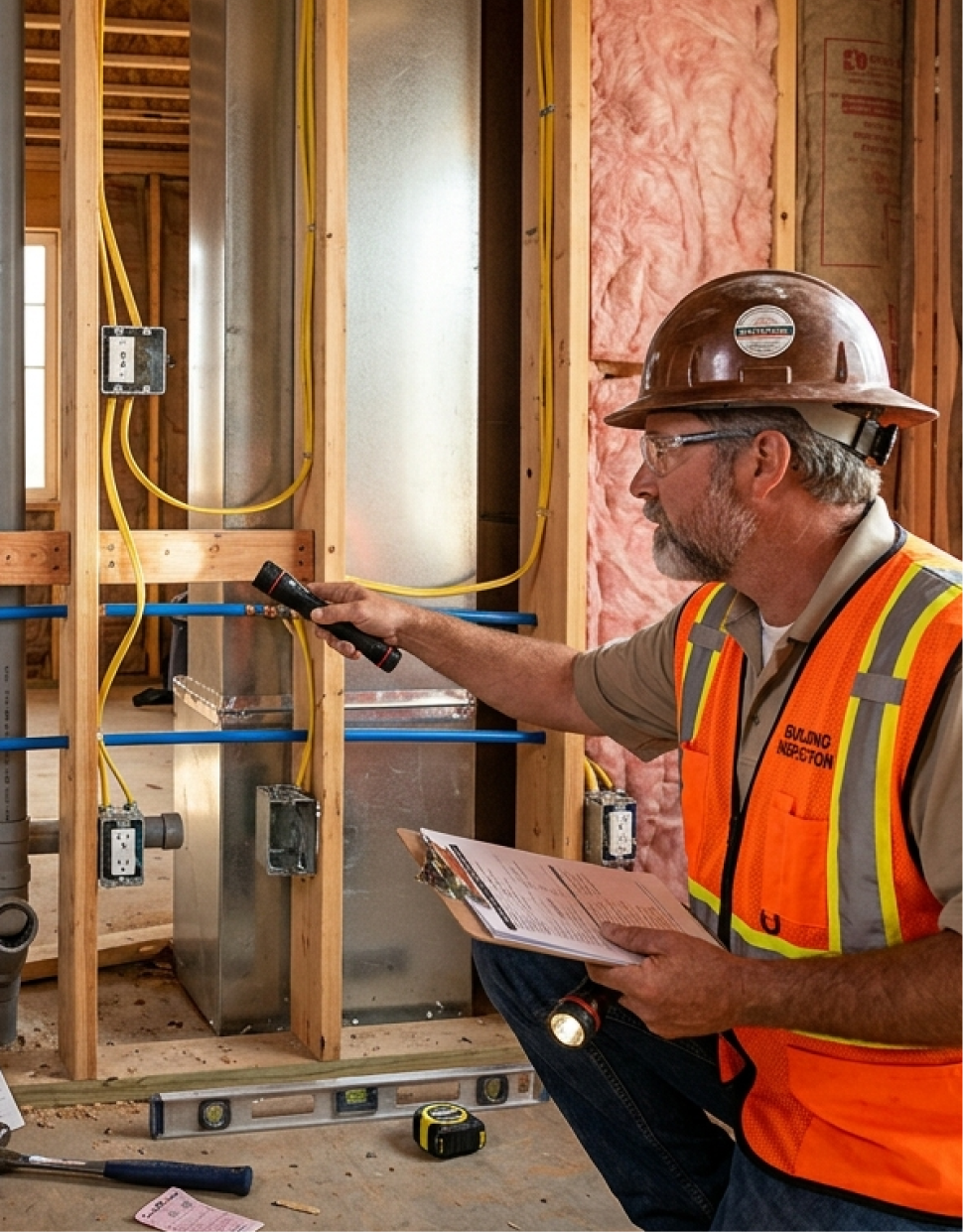
After the framing of the home is complete, construction enters one of the most important stages of the entire project. This phase is often referred to as the rough construction stage. During this stage, the systems that operate behind the walls are installed.
Discover the critical pre-drywall stage where plumbing, electrical, and structural systems are installed behind the walls.

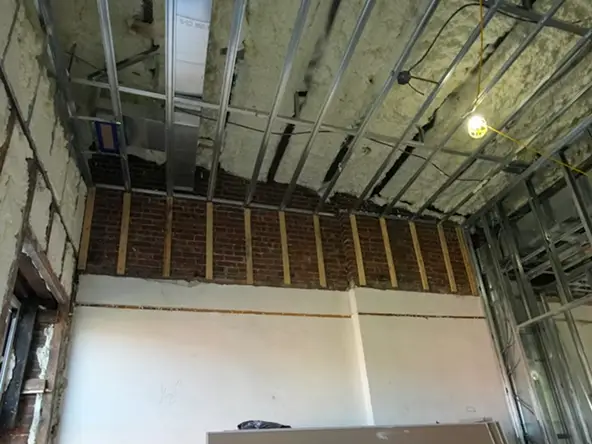
Once drywall is installed, these systems will no longer be visible, so this phase is the last opportunity to see how the home functions internally.

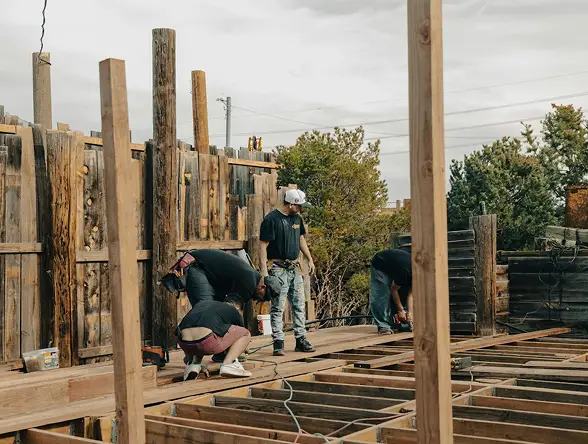
Before mechanical systems are installed, the structural framing of the home must be completed. Framing creates the skeleton of the structure. Once framing is complete, the layout of rooms, hallways, and openings becomes clearly visible.
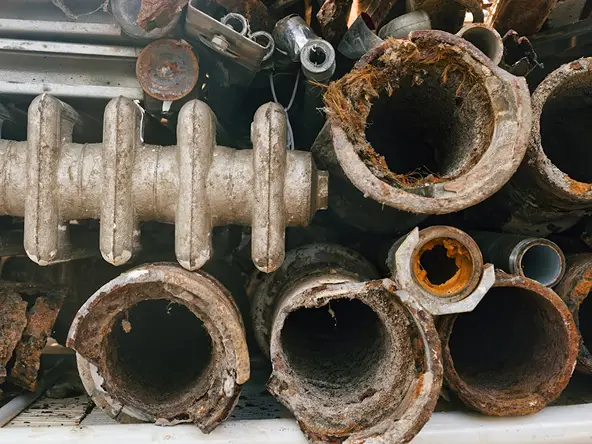
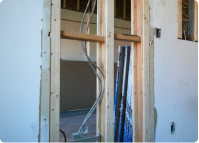
Once framing is complete, plumbers begin installing the plumbing system. This phase is called plumbing rough-in. Because plumbing pipes are hidden behind walls, their locations must be carefully planned before installation.
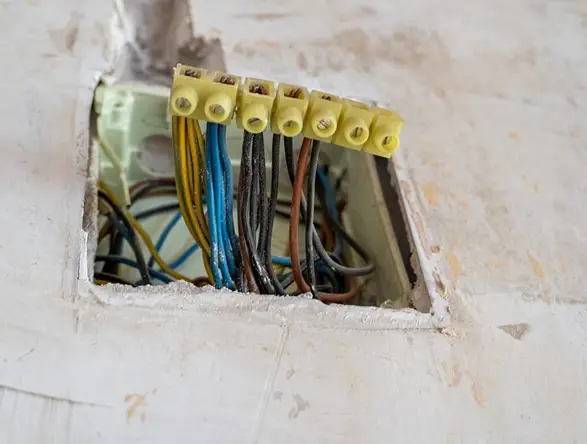
Electricians install the wiring that powers the home. This stage is known as electrical rough-in. Lighting layouts and appliance wiring must be finalized before this work begins.
Heating, ventilation, and air conditioning systems are also installed during this stage. Ducts often run through ceilings and walls, so installation must be coordinated carefully with framing and other mechanical systems.
During this stage builders may also install additional blocking or reinforcement inside walls. These reinforcements allow future fixtures to be mounted securely. Although hidden behind finished walls, they help support fixtures and accessories later.
Once mechanical systems have been installed, the home must pass several inspections before drywall can be installed. These inspections ensure that the construction meets safety and building code requirements.
Once all inspections are approved, insulation is typically added inside the exterior walls and ceilings before drywall installation begins. Insulation improves the home’s energy efficiency and helps regulate indoor temperatures.

Why This Stage Is Important
This stage of construction is often the last opportunity to make certain adjustments before the walls are closed. For example, homeowners may want to confirm:

Outlet locations

Lighting placements

Plumbing fixture positions

Thermostat locations

Once drywall is installed, making changes to these systems becomes much more complicated and costly.
UP NEXT
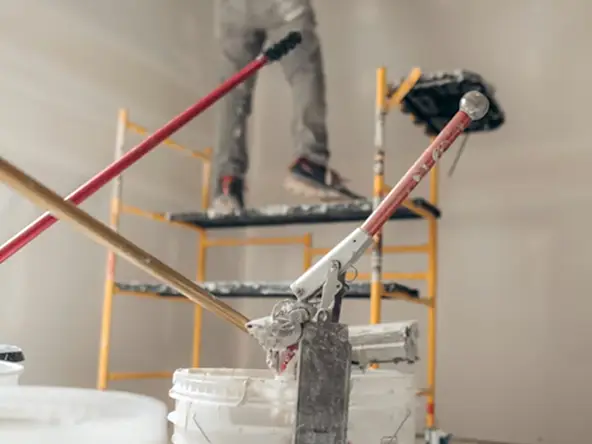
This page will explain the stage when the home starts to look finished drywall installation, painting, trim work, cabinetry, flooring, and fixture installation.