Hardwood Flooring
Timeless appearance and long lasting durability. Made from natural wood can be sanded and refinished multiple times over its life.
Wood Species
Best For:
- Living rooms
- Dining rooms
- Bedrooms
- Hallways
Flooring covers a large portion of your home and shapes how every room looks, feels, and wears over time. This guide helps you choose the right material for every space in your home.
The Foundation of Every Room
Flooring affects how rooms feel, how they wear over time, and how easy they are to maintain. Different materials suit different areas depending on moisture exposure, traffic levels, and design preferences.
Book a ConsultationFlooring sets the visual tone of every room.
Materials wear differently based on traffic and use.
Hardwood and vinyl feel warmer than tile.
Each material has different cleaning and upkeep needs.
Moisture and traffic levels determine the best material fit.
Four main flooring materials are used in residential construction. Each has specific strengths and ideal applications.
Timeless appearance and long lasting durability. Made from natural wood can be sanded and refinished multiple times over its life.
Wood Species
Best For:
Real wood surface layer with multiple stabilizing layers beneath. Performs better than solid wood in areas with humidity changes.
Best For:
Highly durable and waterproof. Designed to mimic the look of wood while offering superior resistance to water and scratches.
Key Features
Best For:
Extremely durable and water resistant. Ideal for moisture-prone areas. Available in porcelain, ceramic, and natural stone options.
Tile Types
Best For:
“Can feel cooler underfoot than wood or vinyl materials.”
The Foundation of Every Room
Flooring layout decisions affect the visual flow of the entire home. The direction planks run and how materials transition between rooms both contribute to the finished appearance of the space.
Wood or plank flooring is typically installed to visually lengthen the space.
Transitions occur where two different flooring materials meet. Proper transitions create a smooth, finished appearance between spaces.
Most common transition in kitchen/living areas.
Bedroom entry transition.
Basement to main floor transition.
Transition strips must be planned before flooring installation begins to ensure a clean finished look.
Different materials perform differently depending on the conditions of each room.
Kitchens · Entryways · Hallways
These areas experience heavy daily foot traffic and require materials that resist wear and scuffing.
Bathrooms · Laundry · Basements
Higher moisture levels require flooring that resists water damage, warping, and mold growth.
High Wear Environments
Households with pets or young children benefit from scratch-resistant materials that hold up to daily activity.
Maintenance requirements vary by material. Understanding upkeep helps you choose the right flooring for your lifestyle.
Requires periodic cleaning and eventual refinishing. Protective pads under furniture prevent scratches over time.
Can be sanded and refinished multiple times — extends life of the floor significantly.
Relatively simple upkeep. Regular sweeping and mild floor cleaner keeps LVP looking new with minimal effort.
No refinishing required — one of the easiest floors to maintain long-term.
Tile itself is very durable, but grout lines may require occasional cleaning or sealing depending on grout type used.
Sealed grout resists staining and is easier to keep clean between deep cleans.
Construction Sequence
Flooring installation occurs during the interior finishing stage — after drywall and painting are complete. The exact sequence may vary depending on the flooring materials selected.
Interior walls are finished before flooring begins.
Tile is typically installed earlier in the finishing stage.
Wood and vinyl floors are installed near the end to protect from construction traffic and damage.
Exact sequencing varies by project. Your contractor will confirm the installation order during planning.
Consider how each room is used daily — families with pets or children have different needs than quieter households.
Viewing flooring samples inside the home shows how colors look in your natural lighting conditions before committing.
Flooring that holds up well over time protects the home's long-term value and reduces the need for early replacement.
Up Next
Learn what happens during the rough construction stage, when the systems that operate behind the walls are installed after framing is complete.
Read Next GuideGet In Touch
Got questions? Most people do. We’ve pulled together the ones we hear most often so you can get quick, clear answers before starting your project. If you’re still unsure, just give us a call or shoot us a quick text anytime at 732-882-7702 — we’re always happy to help.
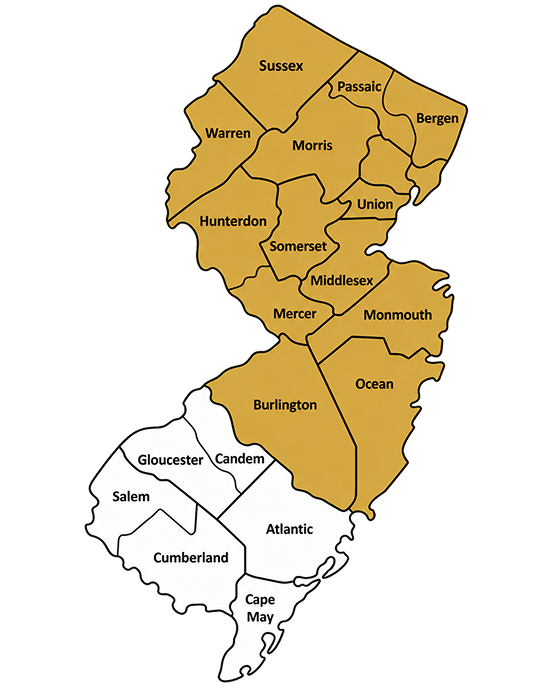
Our Address220 Davidson Ave, Suite 121
Somerset, NJ 08873
Give Us a Call732-882-7702
Send Us an Emailinfo@hyvesthomes.com